
Sex Offender Checks in Wheeler County
The Texas Public Sex Offender Registry is the first official channel for a local check. Texas Department of Public Safety operates it under Code of Criminal Procedure Chapter 62. Search by name when the person is known, or use an address, city, ZIP code, county, and available radius controls for place-based awareness. Select Wheeler County rather than assuming a city-only search will cover rural homes.
A result is a registration record, not a full criminal-history report or a current threat assessment. Match aliases, age, physical details, address, photograph, and offense data before deciding that a result belongs to the person sought. Profiles can change as registrants move or verify information. For questions about an unincorporated Wheeler County address, the published local route is the Wheeler County Sheriff's Office at 806-826-5537.
Wheeler County Registration Offices
Texas assigns the local registration office by residence. A registrant living inside Shamrock or Wheeler should confirm the appointment process with that city's police department. A person living outside a municipality registers with the county sheriff. The research did not identify an online Wheeler County appointment form, a sheriff registry app, or a county registry list separate from the DPS system.
Wheeler County Sheriff's Office
7944 US Highway 83
Wheeler, TX 79096
806-826-5537
Call first to confirm registration appointments and lobby access.
The Texas Sex Offender Registration Program overview explains the state and local roles.
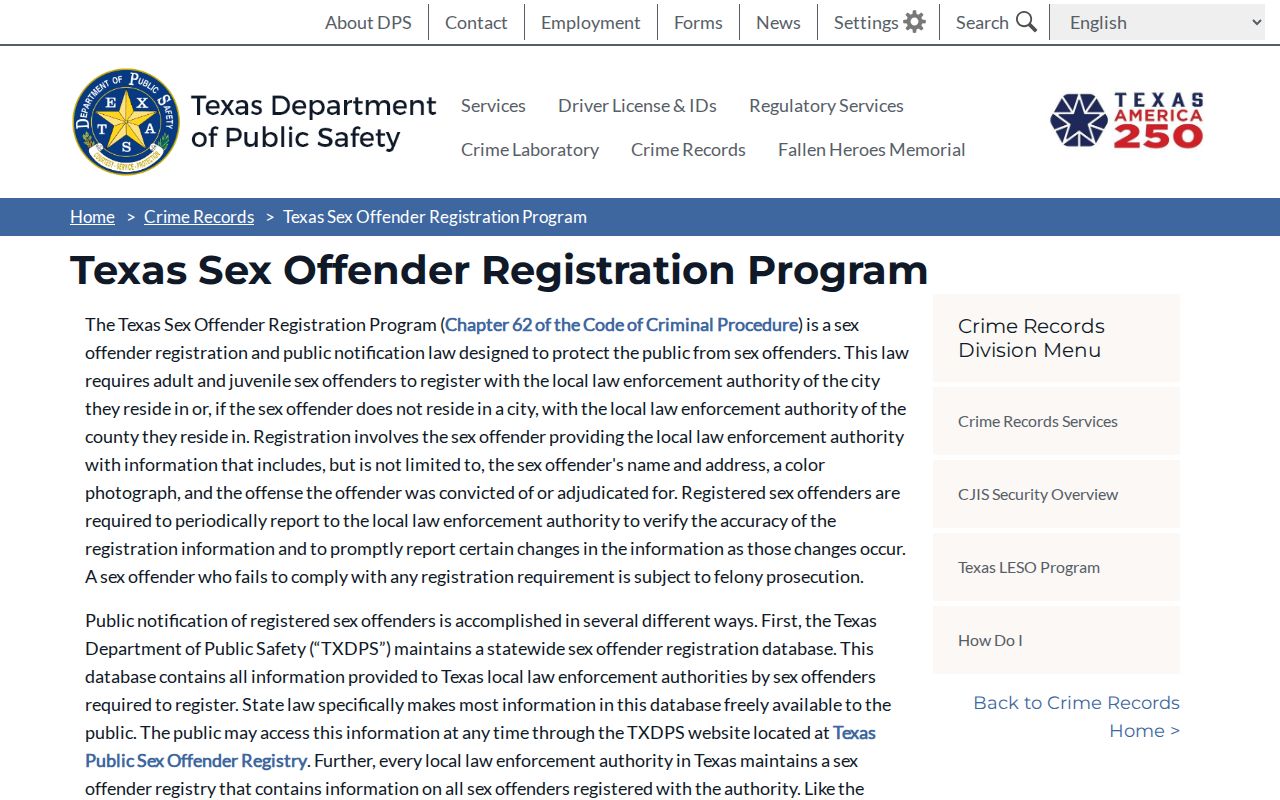
This program page supplies context for the local office's duties without replacing the public registry search.
How to Search the Texas Public Sex Offender Registry
Begin with the smallest reliable set of facts. A name search suits a known person, while an address or county search is better for community awareness. The portal may show several interface tabs. Use the fields that fit the search and verify live radius choices before relying on a geographic boundary.
- Open the DPS registry, read the conditions of use, and choose the name or place-based search tab.
- Enter a last name, or supply an address, city, ZIP code, and Wheeler County filter. Add a first name or radius only when useful.
- Compare the result list by more than a name. Check the photograph, aliases, age, physical description, and reported location.
- Open the full profile, review offense and verification details, and call the proper local authority when an address or status appears wrong.
| Field Label | Type | Required | Notes |
|---|---|---|---|
| Search type | Tab | One | Name, Address, Institute of Higher Education, High Risk, Civilly Committed, and other live tabs may appear. |
| Last and first name | Text | Conditional | Last name starts a name search; first name narrows it. |
| Address | Text | Conditional | Use for a place-based search. |
| City, county, ZIP | Text or select | Optional | Select Wheeler for the county filter and use a five-digit ZIP where helpful. |
| Radius | Select | Conditional | Distance choices are set by the live portal. |
| Search or Clear | Buttons | Not applicable | The official public query is free. |
Wheeler County Registry Search vs NSOPW
The DPS registry is the best source for a Texas profile and the state's public registration fields. The Dru Sjodin National Sex Offender Public Website, known as NSOPW, adds a cross-state layer. It can help when a person recently moved, an address sits near the Oklahoma line, or the correct state is unclear. NSOPW results depend on each participating jurisdiction and its registry availability.
The national system does not replace the Wheeler County route. Open a linked jurisdiction profile and read the maintaining agency's record. If Texas data and a national result seem to conflict, check the current DPS profile and contact the listed registration authority rather than treating one screen as final.
The official NSOPW search shows the conditions and national entry point.
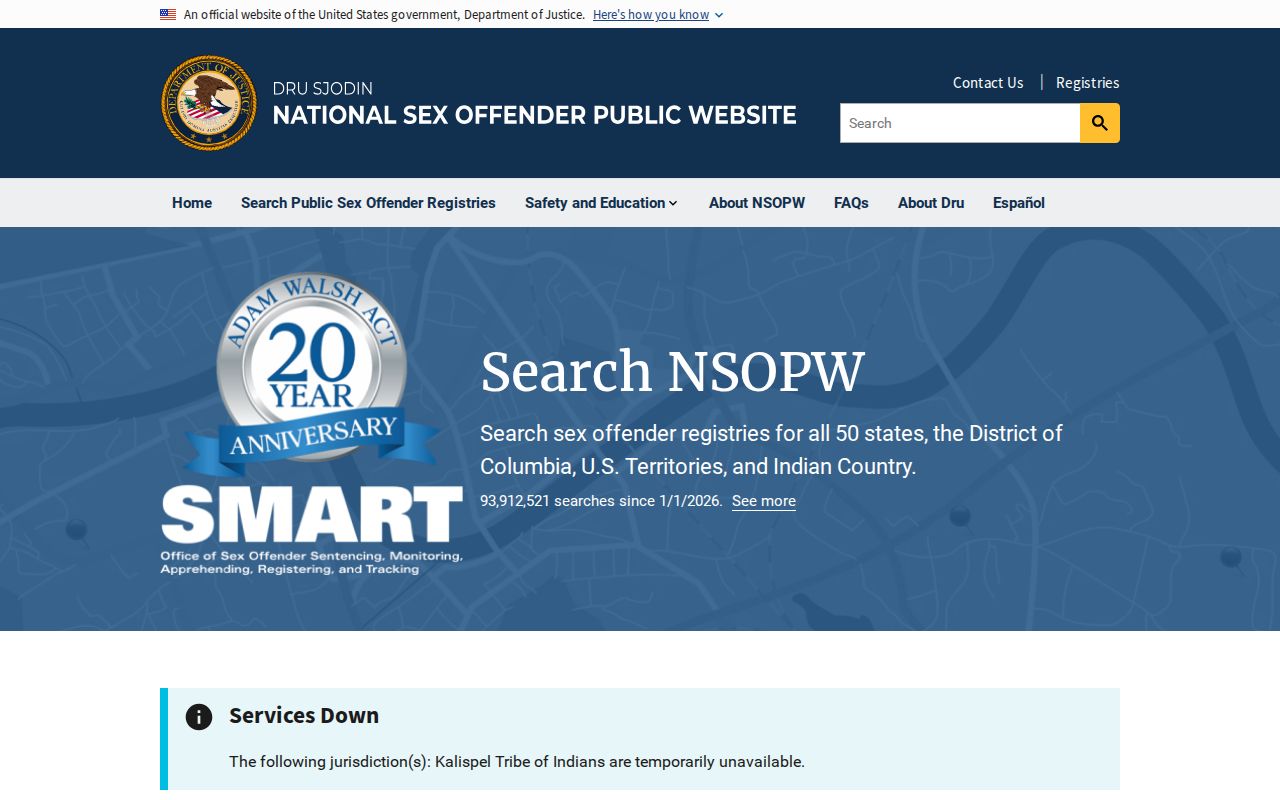
This national view is most useful as a second check when a Wheeler County search has an interstate link.
Inside a Registry Profile
A Texas public profile can contain many fields, but no profile is guaranteed to display every possible item. Read the status and verification data with the identity fields. Do not use one shared name as the sole match.
| Name and aliases | Published names used to distinguish the registrant and support a careful identity match. |
|---|---|
| Photo and description | Photograph, sex, race, age or birth date, height, weight, hair, eyes, and qualifying marks or tattoos may appear. |
| Location | A registered address or geographic location may be shown, along with school data when the record and law require it. |
| Offense details | Offense description, statute, conviction or adjudication date, victim-age category, and punishment may be public. |
| Risk and status | Risk level where assigned, registration status, and verification information help explain the current listing. |
| Other public fields | Qualifying vehicle information and registration facts can appear when applicable. |
Social Security numbers, driver's-license numbers, telephone numbers, online identifiers, employer details, victim-identifying information, added DPS-only data, and juvenile data ordered nonpublic are not public profile fields.
Wheeler County Registry Profile Limits
Registry publication has a defined scope. It does not reproduce a whole court file, list each contact with police, or establish how safe a person or place is today. A public Wheeler County profile is also distinct from the DPS Criminal History Conviction Name Search. The registry concerns Chapter 62 duties; the criminal-history product concerns reported public convictions and deferred adjudications.
Some juvenile information may remain nonpublic by court order or statute. Other data are withheld to protect private identifiers and victims. When the underlying offense or disposition must be understood, use the appropriate court file rather than trying to infer the full case from a registry label.
Note: A Wheeler County registry entry is a public notification record, not a substitute for a certified judgment or complete Texas criminal history.
Texas Registration Levels and Requirements
Texas does not use a simple public federal Tier I, II, and III chart for every registrant. Chapter 62 is offense driven. Duration and verification duties depend on the qualifying statute, disposition, release or discharge dates, risk findings, and instructions from the registration authority. Read the person's profile and controlling law instead of importing another state's labels.
| Texas Category | Duration | Verification and Visibility |
|---|---|---|
| Chapter 62 lifetime offenses | Life under the categories in Article 62.101 | Frequency depends on the statutory category and risk; most registration information is public subject to Article 62.005 exceptions. |
| Other reportable convictions or adjudications | Generally ten years after release or discharge, or after disposition for specified cases | The local authority gives the controlling verification schedule. |
| Sexually violent predator or high-risk notice | Controlled by the underlying registration category | DPS uses English and Spanish community postcards for qualifying release or move events. |
The official text of Code of Criminal Procedure Chapter 62 sets the duties and public-information rules.
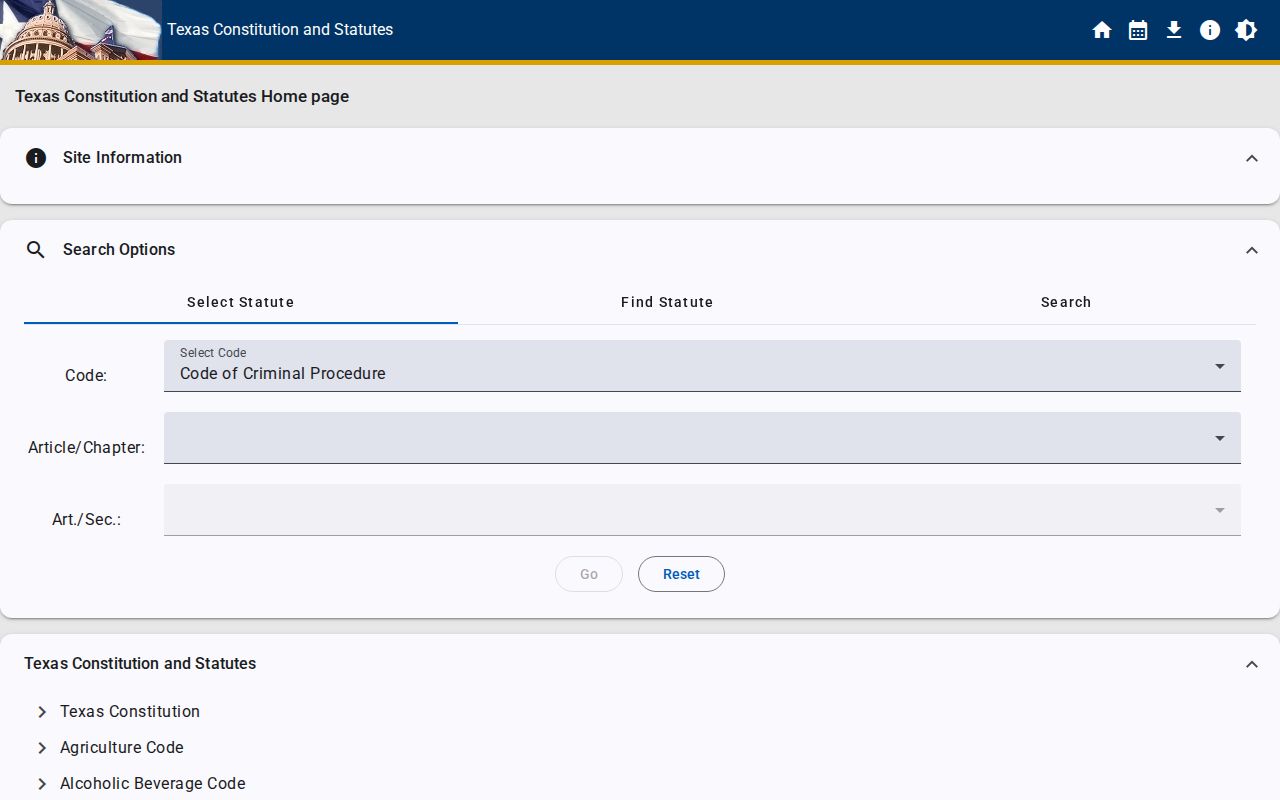
Chapter 62 is the sound source for duration and duty questions that a short profile label cannot answer.
Wheeler County Seven-Day Registration Rule
A person subject to Texas registration must register locally no later than the later of seven days after arrival or the first date the local policy permits. That rule makes the correct office important. Within a municipality, the municipal police chief is the registration authority. Outside a municipality, the county sheriff performs that role.
Someone moving to Wheeler County should not assume that the statewide website itself completes local registration. The individual must follow the appointment and verification directions from the responsible police department or sheriff. Failure to comply can be prosecuted as a felony. Members of the public should report a suspected address issue to the authority responsible for that location instead of trying to investigate it themselves.
Wheeler County Registry High-Risk Notices
Texas uses mailed community postcards in English and Spanish for qualifying high-risk or sexually violent predator release and move events. That notice is a distinct state process, not proof that Wheeler County offers a general email alert or mobile app. No official sheriff registry app or local alert signup was found for this county.
A lack of a postcard does not mean a county search will return no public profiles. Use the DPS registry for current public records. Likewise, the absence of a separate local list does not mean no one is registered. It means the state portal and the responsible registration office are the verified channels.
Wheeler County Registry Address Concerns
If an address appears wrong, first reopen the current DPS profile and confirm the city, county, ZIP code, status, and verification details. Search NSOPW when a prior or possible out-of-state location matters. Then contact the municipal police department for an address inside city limits or the Wheeler County Sheriff's Office for an unincorporated address.
Describe the discrepancy without confronting the listed person or household. The local authority can compare the report with nonpublic registration data and decide what follow-up is lawful. Residency limits may come from parole conditions or a local ordinance, but no official countywide Wheeler distance ordinance was located. Do not assume that proximity to a school, park, or day care alone proves a violation.
Community Notification and Lawful Use
The public registry supports personal, family, and community safety. It can help a resident learn about reported locations, prepare age-appropriate family rules, or pass a specific accuracy concern to law enforcement. It does not authorize threats, surveillance, exclusion, or vigilantism. Address data can change, and a listed offense does not supply every fact from the court record.
The Texas Public Information Act helps explain public access to government records and the limits that protect confidential facts.
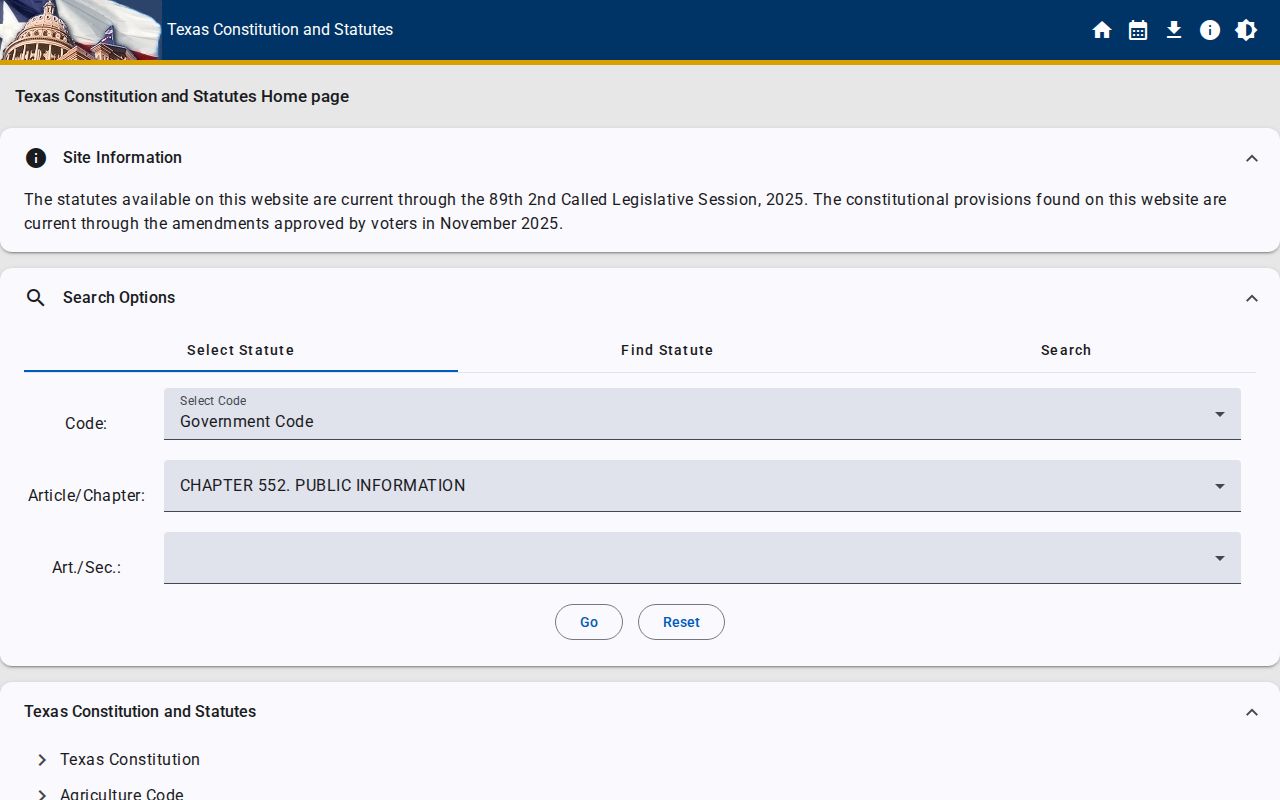
The public-access law works alongside Chapter 62 exceptions, privacy rules, and the registry's own conditions of use.
Use Registry Data Lawfully: Harassing, threatening, or intimidating a registrant or household can be a crime under the Texas Penal Code, including applicable harassment laws. Chapter 62 publication is not permission to target anyone.